“I have thoughts that keep repeating and I cannot stop them.”
OCD (obsessive-compulsive disorder) is treatable. We offer scientific, safe treatments, validated by multiple clinical studies, with psychiatric and psychological follow-up.

Intrusive thoughts, repeated rituals.
Thoughts, images or urges that arise repeatedly and involuntarily and cause anxiety or discomfort. These are called obsessions.
Repeated behaviours or mental acts to relieve that anxiety, even knowing they make no sense. These are called compulsions.
Some examples of rituals:
- Checking doors, gas or locks several times
- Excessive handwashing or cleaning
- Counting or repeating words in your head
- Ordering or lining up objects
- Seeking reassurance from other people
- Repeating actions until they "feel right"
OCD is a recognised clinical disorder. It can be diagnosed and treated.
When rituals start taking up your time.

- Thoughts or rituals that take up time every day.
- Avoiding certain places or activities to avoid the thoughts or rituals.
- Family routine organised around the rituals.
- Treatment already tried, without sufficient improvement.
It starts with a psychiatrist.
If you have had treatment before, bring your clinical reports and your medication list.
NeuroCheck, free of charge
An information session with our Patient Care. You learn about the treatment, the options and the fees.
Psychiatry appointment
Clinical assessment, review of your history and previous treatments.
A clear plan
You leave knowing what options you have, what each involves and how long they take.
Follow-up
Psychiatrist and psychologist monitor progress and adjust the plan.
What options are available.
Psychotherapy
With exposure and response prevention: gradually facing what causes distress without resorting to the ritual.
Medication
Decided and monitored by the psychiatrist.
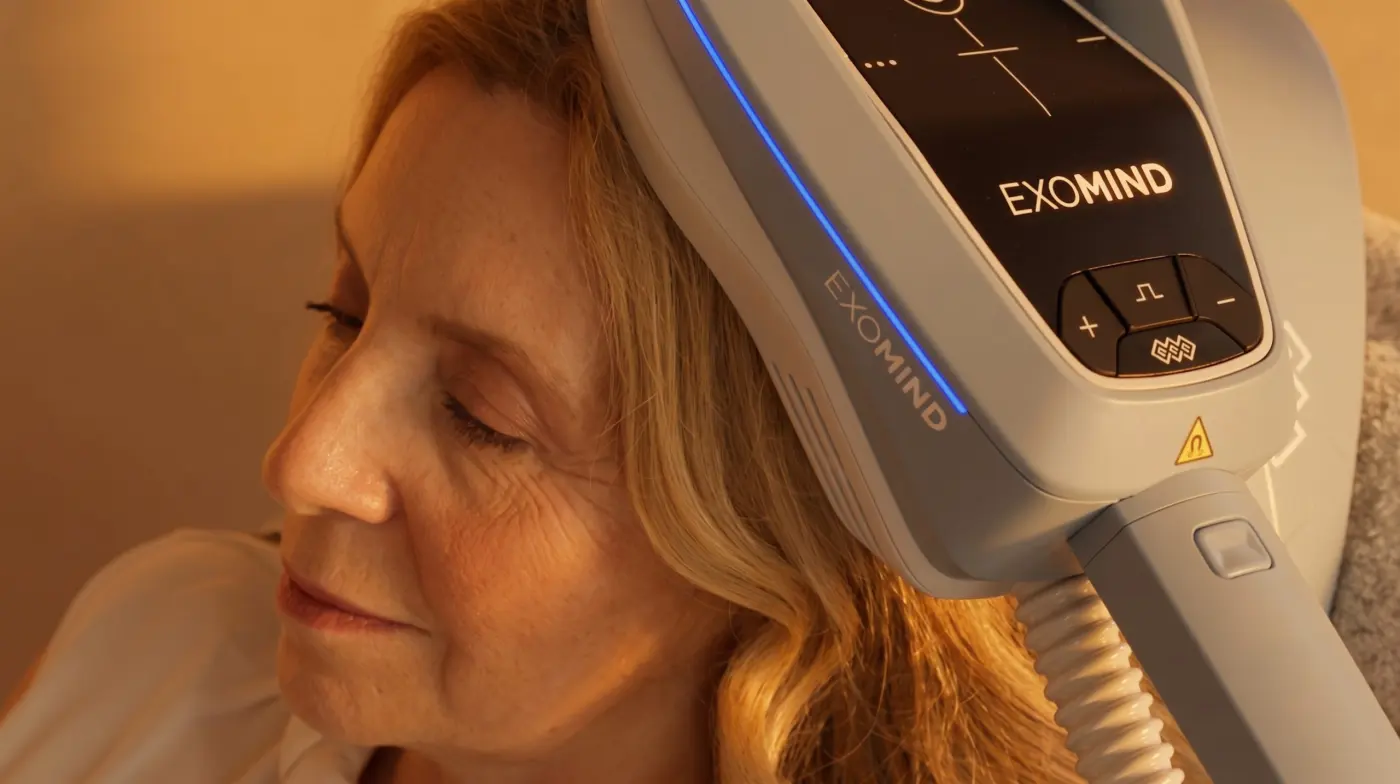
ExoTMS®, transcranial magnetic stimulation (TMS)
Non-invasive treatment, scientifically validated in OCD. An option when medication is not enough or side effects are hard to tolerate. Depends on eligibility and a medical prescription, following the TMS Assessment Consultation with the clinical director, Dr. Bruno Gomes.
Multidisciplinary clinical follow-up: psychiatry, psychology and TMS, in a holistic, scientific treatment.
Multidisciplinary clinical care.



Fees and insurance
Reimbursement depends on your insurer and your policy. Check with your insurer before the consultation; if needed, we can help with the paperwork.
We are in the process of joining agreements with insurers, to make access to our care even simpler. More news soon.
See fees and insurance- Psychiatry Appointment
- 100 €
- Clinical Psychology Appointment
- 90 €
- TMS Assessment Consultation
- 100 €
- NeuroCheck, information session
- Free of charge
Fees include taxes. Payment in up to 12 interest-free instalments with Cofidis Pay. See terms
What people ask us about OCD.
Do I need a referral from my doctor?
No. You can book directly. If you have reports from previous treatments, bring them.
Is TMS right for me?
For OCD, TMS is an option when previous treatments are not enough. Treatment depends on eligibility and a medical prescription: the clinical director, Dr. Bruno Gomes, assesses eligibility at the TMS Assessment Consultation. To clear up any questions beforehand, start with NeuroCheck, free of charge.
What NeuroCheck involvesDo I have to stop the medication I take?
No. Do not stop or change your medication on your own. Any change is decided with your doctor.
Can someone come with me?
Yes, to the TMS Assessment Consultation and to treatment sessions. In psychology appointments, having a companion present is not always possible, so as not to interfere with the therapeutic work. Check with the team when booking.
Is it confidential?
Yes. Your clinical information belongs to you and we only share it with your authorisation.