“Anxiety is taking over my day.”
When anxiety interferes with daily life, it is a clinical condition that can be treated. We offer safe, evidence-based treatments, validated by multiple clinical studies.

A worry that won't switch off.
Tightness in the chest, difficulty falling asleep, constant worry about what might go wrong.
Sudden, intense episodes of fear with physical symptoms: these are panic attacks.
Persistent anxiety, present on most days: it is called an anxiety disorder when it interferes with your life.
Anxiety is a health problem. It can be diagnosed and it can be treated.
When anxiety starts running your day.
- You avoid activities because of anxiety: going out, driving, working, being with people.
- You sleep badly because you can't switch off.
- You have had episodes of intense fear and worry they will return.
- You have already had treatment, without enough improvement.
Who sees you first and what happens next.
You can start with psychiatry or psychology. NeuroCheck, free of charge, helps define the first step.

NeuroCheck, free of charge
An information session with our Patient Care. You learn about the treatment, the options and the fees.
First appointment
With a psychiatrist or psychologist: assessment of your symptoms, how they have developed and their impact on daily life.
A clear plan
You leave knowing what options you have, what each involves and how long they take.
Follow-up
Regular appointments, with progress reviews and adjustments to the plan.
What options are available.
Psychotherapy
Cognitive behavioural therapy, with practical strategies to reduce anxiety and get back to your routines.
Clinical PsychologyMedication
Prescribed and monitored by the psychiatrist, when indicated, with regular review of dose and effects.
PsychiatryStress and sleep
Stress management and sleep regulation techniques that help maintain results.
Sleep and stressExoTMS®
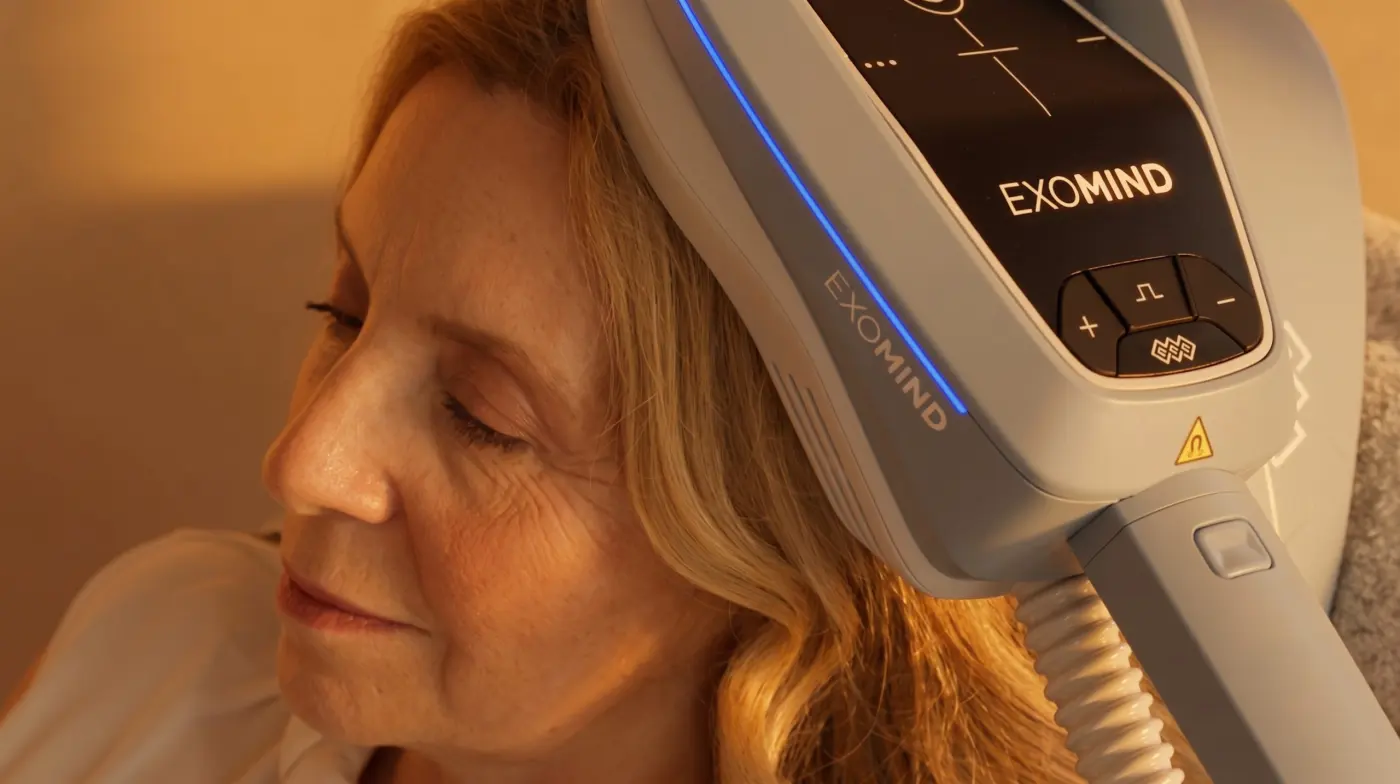
Validated in anxiety associated with depression. An option when medication is not enough. Requires a medical prescription.
TMS for anxietyMultidisciplinary clinical care, so we can look at your clinical picture from every perspective, in a holistic, evidence-based treatment.
The team looking after you


Fees and insurance
Fees include taxes. Reimbursement depends on your insurer and your policy. Check with your insurer before the appointment; if needed, we can help with the paperwork.
Psychiatry
100 €
Clinical Psychology
90 €
NeuroCheck, information session: free of charge. Pay in up to 12 interest-free instalments with Cofidis Pay. See terms
We are in the process of joining agreements with insurers, to make access to our care even simpler. More news soon.
What people ask us about anxiety.
Should I start with psychiatry or psychology?
It depends on your symptoms and how long you have had them. If in doubt, start with NeuroCheck, free of charge.
Will I have to take medication?
Not necessarily. Medication is one of the options, when the psychiatrist considers it indicated.
Do I need a referral from my doctor?
No. You can book directly.
Can someone come with me?
Yes, to the TMS Assessment Consultation and to treatment sessions. In psychology appointments, having a companion present is not always possible, so as not to interfere with the therapeutic work. Check with the team when booking.
Is it confidential?
Yes. Your clinical information belongs to you and we only share it with your authorisation.